Content gap analysis is the practice of comparing your content coverage with competitors’ to uncover keywords, topics, and formats your site does not address but your competitors do. By identifying these gaps, you can create targeted content that captures additional organic traffic and strengthens your site’s topical authority.
This article explains what content gap analysis is in the context of search engine optimization, how it works, and why it is critical for improving organic visibility.
What Is Content Gap Analysis?
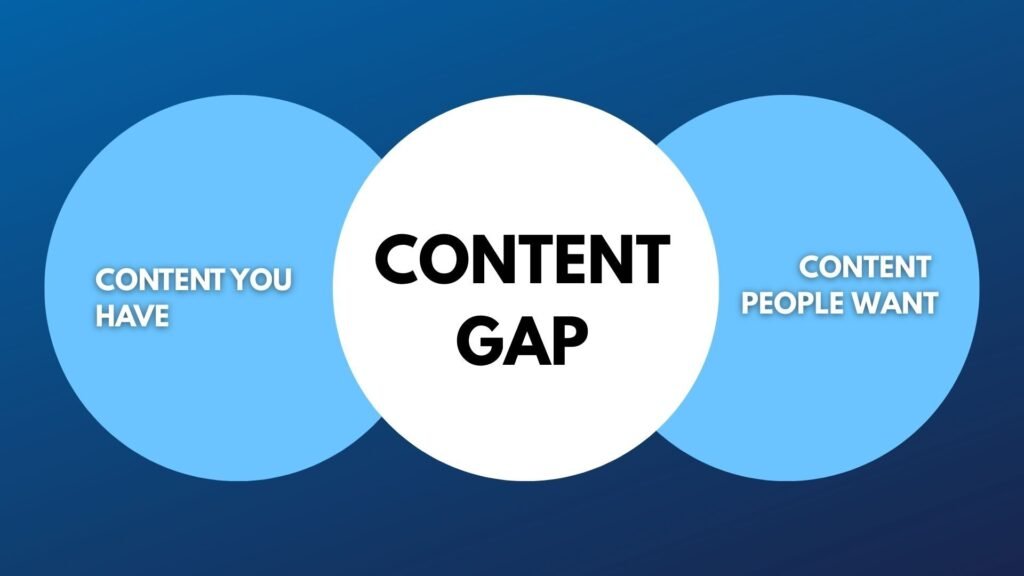
Content gap analysis is a strategic SEO audit that examines where your content falls short compared to competitors. At its core, this process identifies topics and keywords that competitors rank for that you do not, as well as areas where your content may be less comprehensive or optimized. In practical terms, it helps pinpoint opportunities to expand your coverage, refine depth, and better match search intent.
There are multiple types of gaps to consider:
- Keyword gaps occur when competitors rank on search terms your site does not target, suggesting untapped traffic opportunities.
- Content depth gaps arise when your content superficially mentions a topic while competitors provide thorough, detailed coverage.
- User intent gaps appear when your content does not align with what searchers want — for example, lacking commercial or transactional context.
- Format gaps reflect missing content types such as videos or rich snippet-friendly elements that appear in search results for specific queries but are absent from your site.
Why Content Gap Analysis Drives SEO Results
Content gap analysis drives SEO improvements by revealing high-value opportunities you might otherwise overlook. Identifying keyword and topic gaps allows you to create content that captures searches your competitors already dominate, effectively widening your presence in search results. Filling these gaps can significantly boost organic visibility and traffic.
Performing this analysis also supports building topical authority, which search engines increasingly reward when they assess whether a site comprehensively addresses a subject. When your content aligns with user needs across multiple related topics, search engines are more likely to rank your pages higher and may increase your appearance in rich results.
Additionally, targeting underutilized keywords with solid search volumes and manageable competition can help your site compete more effectively without relying solely on broad, high-competition terms.
Step-by-Step Content Gap Analysis Process
Identify Relevant Competitors
A systematic content gap analysis process starts with selecting relevant competitors. These should include direct industry rivals as well as sites that consistently rank for topics you want to own. Analyzing a range of three to five domains often provides a balance between breadth and manageability. Choosing the right competitors ensures your analysis reflects realistic ranking targets rather than unreachable outliers. Make sure to analyze sites of the similar size as yours – no point to compare to blogs that are just starting, or websites that have been around for years and have thousands of pages.
Conduct Keyword Gap Discovery
Once competitors are identified, use SEO tools to conduct keyword gap discovery. Platforms like Semrush’s Keyword Gap or Ahrefs’ Content Gap tool allow you to input your domain and competitors’ domains to extract a list of keywords your competitors rank for that you do not. Sorting this list by search volume and keyword difficulty helps highlight opportunities that are both valuable and feasible. This step reveals where competitors are capturing demand that your content strategy has not yet addressed.
Validate Keywords Through SERP Analysis
After identifying potential terms, validate them through SERP analysis to confirm they match user intent and to assess whether current ranking pages adequately satisfy that intent. Intent alignment is crucial, as targeting keywords that do not reflect real search behavior leads to poor engagement and limited ranking progress. SERP review also clarifies the content format, depth, and angle required to compete effectively.
Prioritize and Integrate Opportunities
Next, prioritize gaps by combining metrics such as search volume, keyword difficulty, and commercial relevance. High-impact terms that support both informational and buyer-focused intent often deliver the fastest returns. Integrate these priorities into your content roadmap by grouping related terms into topic clusters and creating or updating content accordingly. This ensures resources are allocated to topics with the highest strategic and revenue potential.
Monitor Performance and Refine Strategy
Monitoring performance metrics over time, such as rankings, impressions, and organic traffic, allows you to measure the impact of your gap-filling efforts and refine future strategies. Ongoing measurement helps identify what is working, what needs optimization, and where new gaps are emerging.
Best Content Gap Analysis Tools
Several tools streamline content gap analysis by automating comparisons between your site and competitors. Semrush offers comprehensive gap analysis functionality that compares up to five domains while factoring in keyword metrics and trends. Ahrefs’ Content Gap tool specifically highlights competitor keywords your site doesn’t target and allows you to filter by relevance. Additional tools like Moz Pro and BuzzSumo provide complementary insights by identifying trending topics and content performance benchmarks, which can inform strategy.
Selecting the right tools depends on your goals and budget. Tools with robust filtering and visualization features assist with prioritization, while platforms that integrate directly with analytics and SERP data help you refine your content strategy with real performance feedback.
At SEO Beyond Organic, we offer white-label content services to help agencies and brands turn these insights into high-quality, search-optimized content, handling research, strategy alignment, and production so you can scale results without expanding internal teams.
Common Mistakes & Pro Tips
Common mistakes
- Prioritizing search volume alone without considering user intent or keyword difficulty
- Ignoring alignment between keywords, business goals, and competitive feasibility
- Treating content gap analysis as a one-time activity despite changing search landscapes
Pro tips
- Balance search potential with intent, difficulty, and strategic relevance
- Re-evaluate content gaps regularly to stay competitive
- Refresh gap analysis every six to twelve months to adapt to market and algorithm changes
Conclusion
Content gap analysis helps SEO professionals uncover and prioritize missed keyword and topic opportunities by directly comparing competitor coverage with their own. By systematically identifying and filling these gaps, websites can significantly improve organic visibility, build topical authority, and drive sustainable traffic growth.
Starting with tools like Semrush or Ahrefs, prioritizing the right opportunities, and integrating insights into your content plans will make your SEO efforts more strategic and effective. Connecting with a white-label content service agency, like SEO Beyond Organic, allows you to efficiently turn these insights into high-quality content, scale your output, and maintain consistency without overloading internal teams.